Understanding Wellbeing
Does Choosing Therapy Make You Weak?
By User 2102
Oct 17, 2026
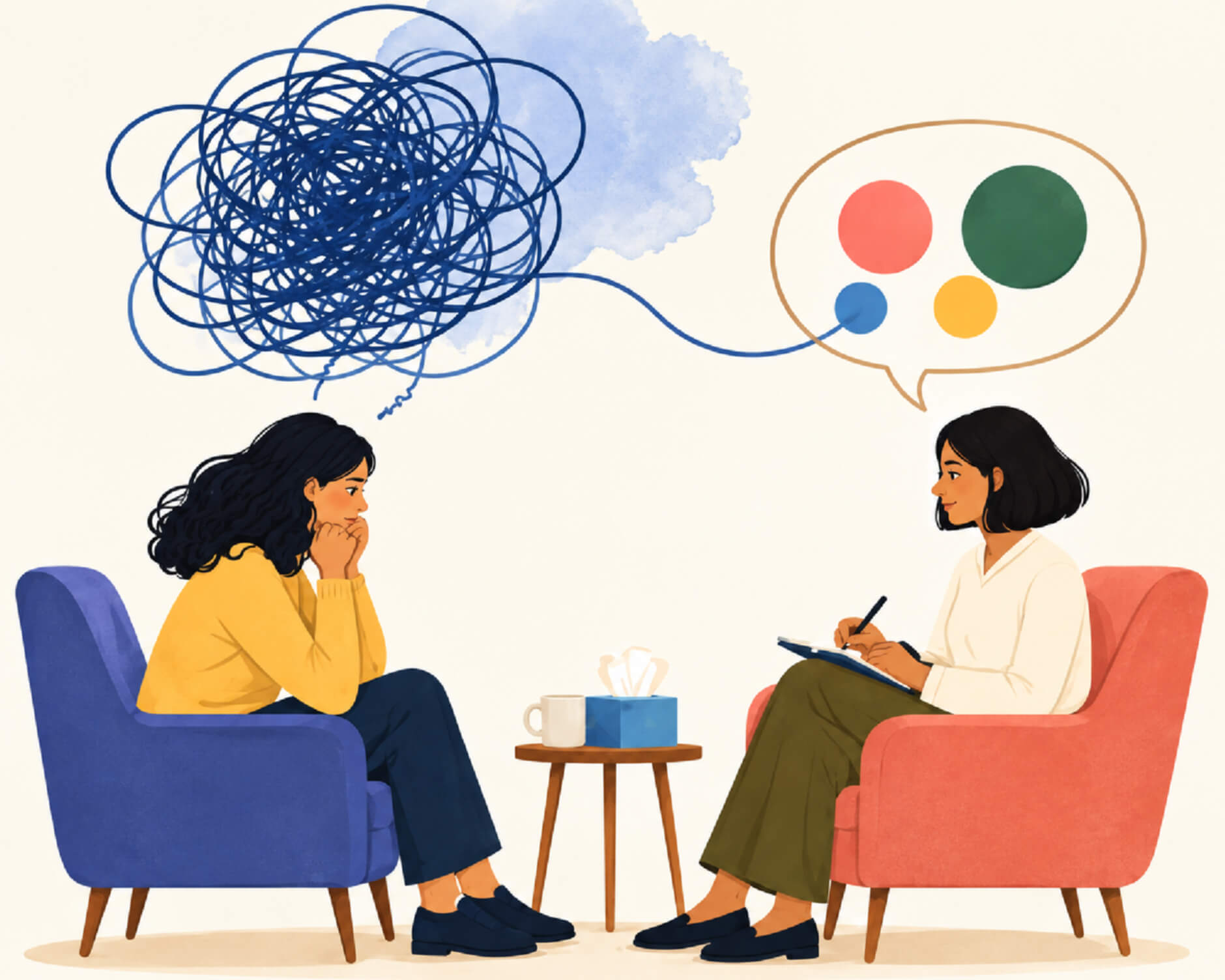
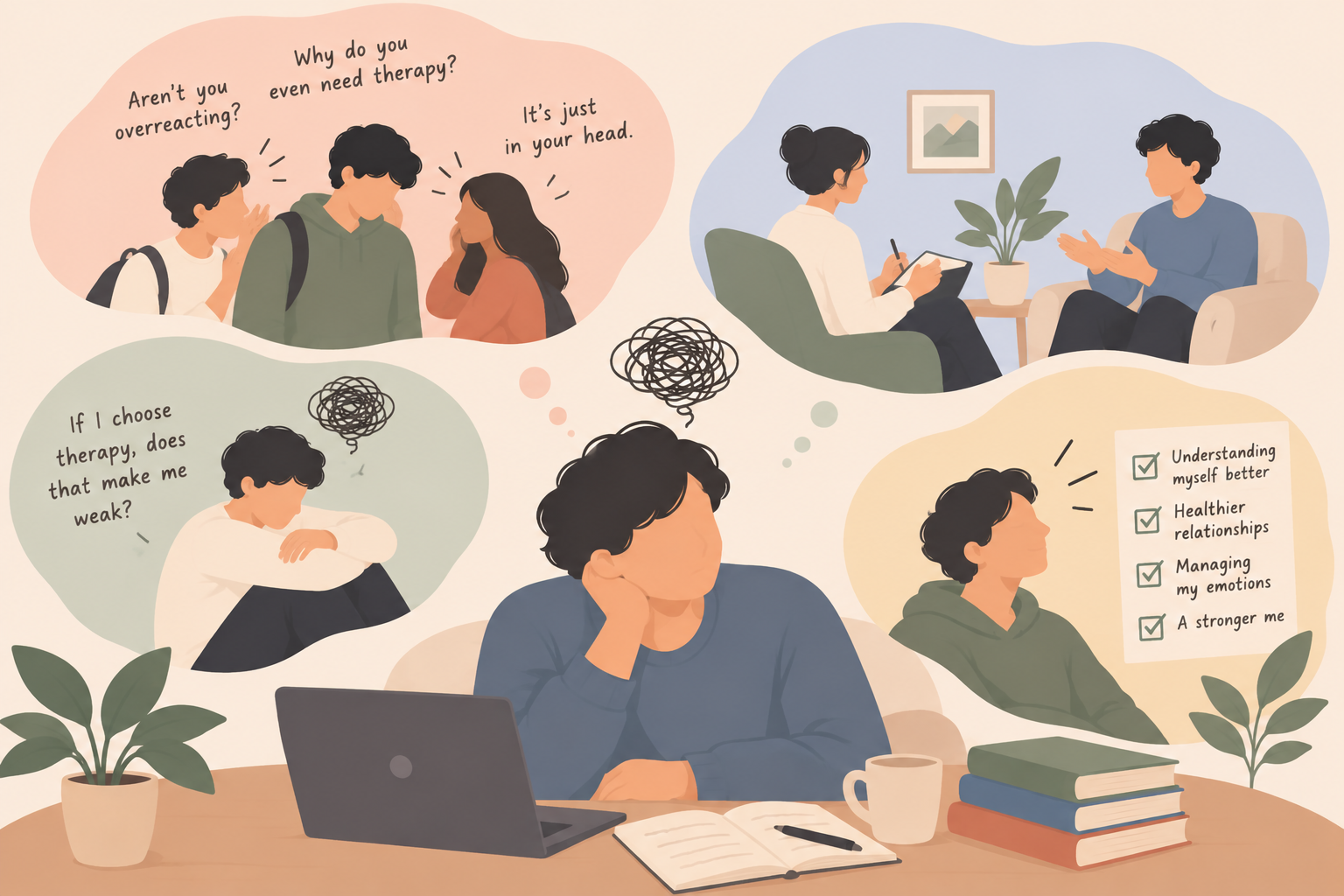
There is a common belief that seeking therapy means you are unable to handle your personal problems, but no, sharing your thoughts/beliefs is never a sign of weakness. But it actually requires strength and courage to acknowledge the need for a listening ear, which is never a sign of weakness. Therapy works for everyone; it exists for everyone. It is simply two people trying to understand each other's thoughts and them trying to help you out. Why do we think asking for help is a sign of weakness? From a young age, we are taught to be independent; we are often told to stay strong, not to cry, hide our insecurities, and solve our problems on our own. This foundation of an independent self leads to a misconception that therapy is only for people who are experiencing severe mental health problems. And we are strong enough to cope with every problem. Being strong should not come with a cost, a cost of feeling like you are draining yourself. But it can be for anyone, for multiple reasons, like academic pressure, family issues, stress, loneliness, relationship concerns, loss of a loved one, or simply feeling overwhelmed. Choosing this step simply means that you are recognizing that something is affecting you and that you want to take action rather than ignore it but rather work on it. Therapy is a choice, not a measure of strength, so here's what you need to know: Myths and facts Therapy is not only for people dealing with serious issues or crises. It can also be for anyone who wants personal growth and self-awareness. Finding the right counsellor matters. Different counsellors use different ways; none of them is necessarily wrong or right. But the counsellors you choose should provide you with support, and you should feel comfortable with them. You should feel comfortable telling them your truths, insecurities, fears, and your reality. You don't have to tell everything. Counsellors do not need to know everything. You don't have to tell them the entire story or your entire past, but you should tell them what you are struggling with and what you want them to know about you. Choosing therapy is not about admitting that you cannot handle life on your own. Sometimes, it is simply about recognizing that you do not have to handle everything alone.
Understanding Wellbeing
Mental Health Matters
By User 2102
Oct 17, 2026
There is a moment at night or a moment in the day when everything is finally quiet and your brain decides it’s the perfect time to talk, so you think and talk, which goes beyond questions and conclusions. We think the measure of health is done by seeing physical health by eating well, staying active, or visiting a doctor when something doesn't feel right. But what about our mental health? Our thoughts, actions, emotions, and experiences are an important part of who we are and how we present ourselves. Yet, mental health is often overlooked until it begins to affect our everyday lives. Taking care of your mental well-being should be a priority; you should not wait until you are struggling. It’s necessary, like your physical well-being. What Exactly Is Mental Health? Mental health refers to our emotional, psychological and social well-being. It affects how we think, feel and behave; how we handle stress; how we build relationships, and how we respond to our surroundings. Think of it like a tree, with its roots, trunk, branches, leaves, and fruits. Some might think the fruit is precious; some might think the wood is. But no part can be ignored; every part has its own importance, exactly like your well-being. Having good mental health does not mean feeling happy all the time. Experiencing and expressing every emotion is necessary; whether it's sadness, anger, stress, loneliness or disappointment, they are important for an individual. These feelings are a normal part of life. But it is about being able to recognise and manage our emotions, cope with challenges and continue to engage with people. Just like our physical health changes our mental health, which can change too depending on the situations. And that is completely normal. You Don't Have to Be Unwell to Care About Your Mental Well-Being Mental health care is not only for people experiencing a mental illness. You do not need to wait until you feel completely overwhelmed or empty. Your mental well-being does not need to be cared for only when you are at your lowest. Just as physical health is maintained through exercise, mental well-being can be supported through healthy habits. Habits such as taking a break when you feel exhausted, talking to someone trusted, setting healthy boundaries, spending time doing things you enjoy, meditating—not only by sitting quietly, but also by doing any activity you enjoy and giving yourself time to process your emotions—are all ways of caring for your mental health. And to always make sure to ask yourself, “How am I really doing?” can be a simple but meaningful first step. Breaking the Stigma Around Mental Health People hesitate to talk about their struggles because they fear being judged, misunderstood or labelled. They try to hide their insecurities. Some people believe that asking for help means they are weak or unable to handle their own problems. Others may feel that their problems are not “serious enough” to deserve support. But seeking support is not a failure. It’s not something serious, and it’s not a big deal. Recognising that you are having a difficult time and being willing to talk about is an important act of self-care. These conversations should not be limited to moments of crisis. Asking for Help Is a Sign of Self-Care There is no right time to care about your mental health. Whether you are going through a breakdown or simply want to understand yourself better, talking to a counsellor can provide a safe space to express your thoughts and feelings. Mental health is not something we should think about only when something goes wrong. It is a part of our everyday well-being and deserves the same attention, care and understanding as our physical health. Your mental health matters — not because something is wrong with you, but because you matter.
Support & Connection
Why We Push People Away?
By Nidhi Sharma
Oct 17, 2026
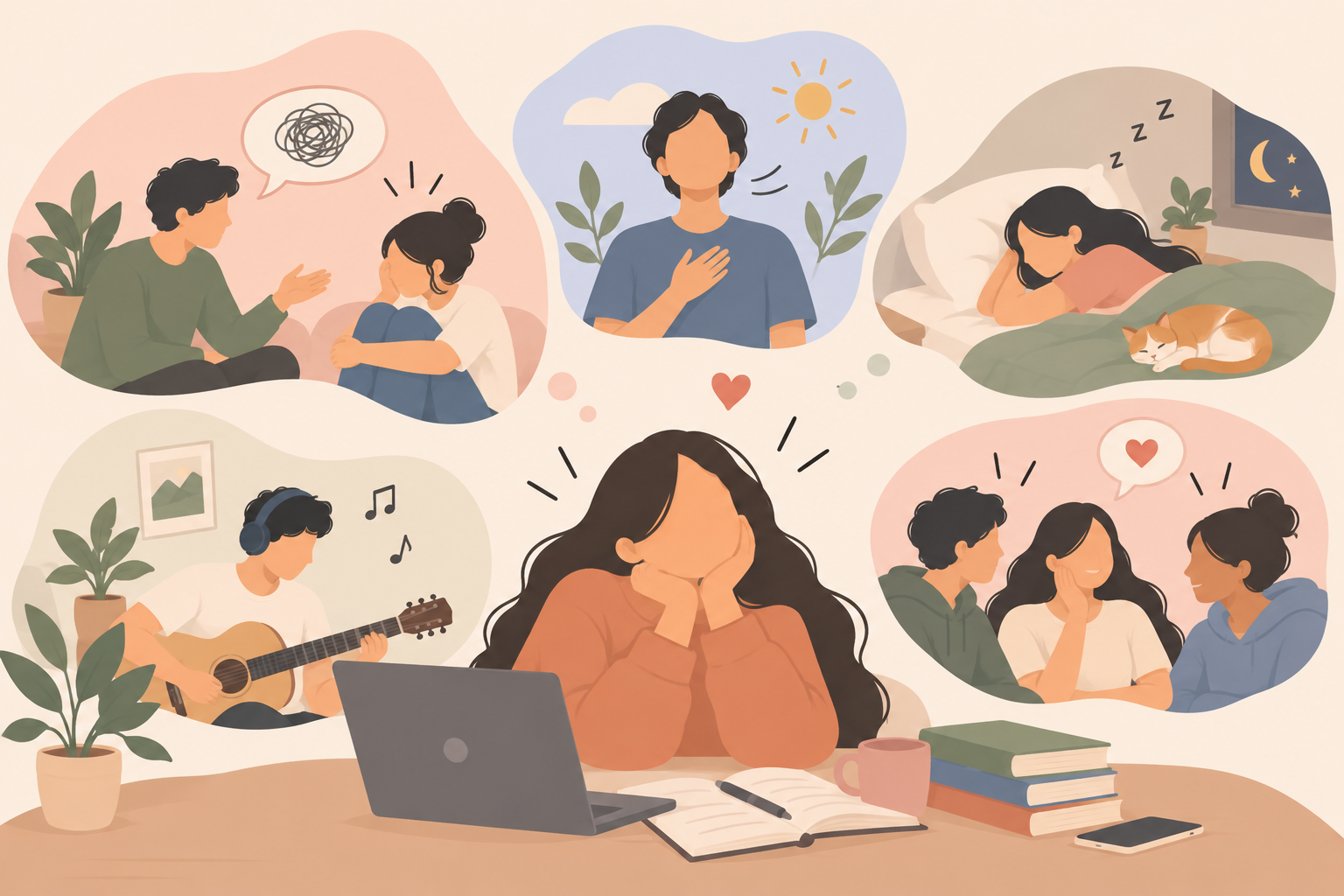
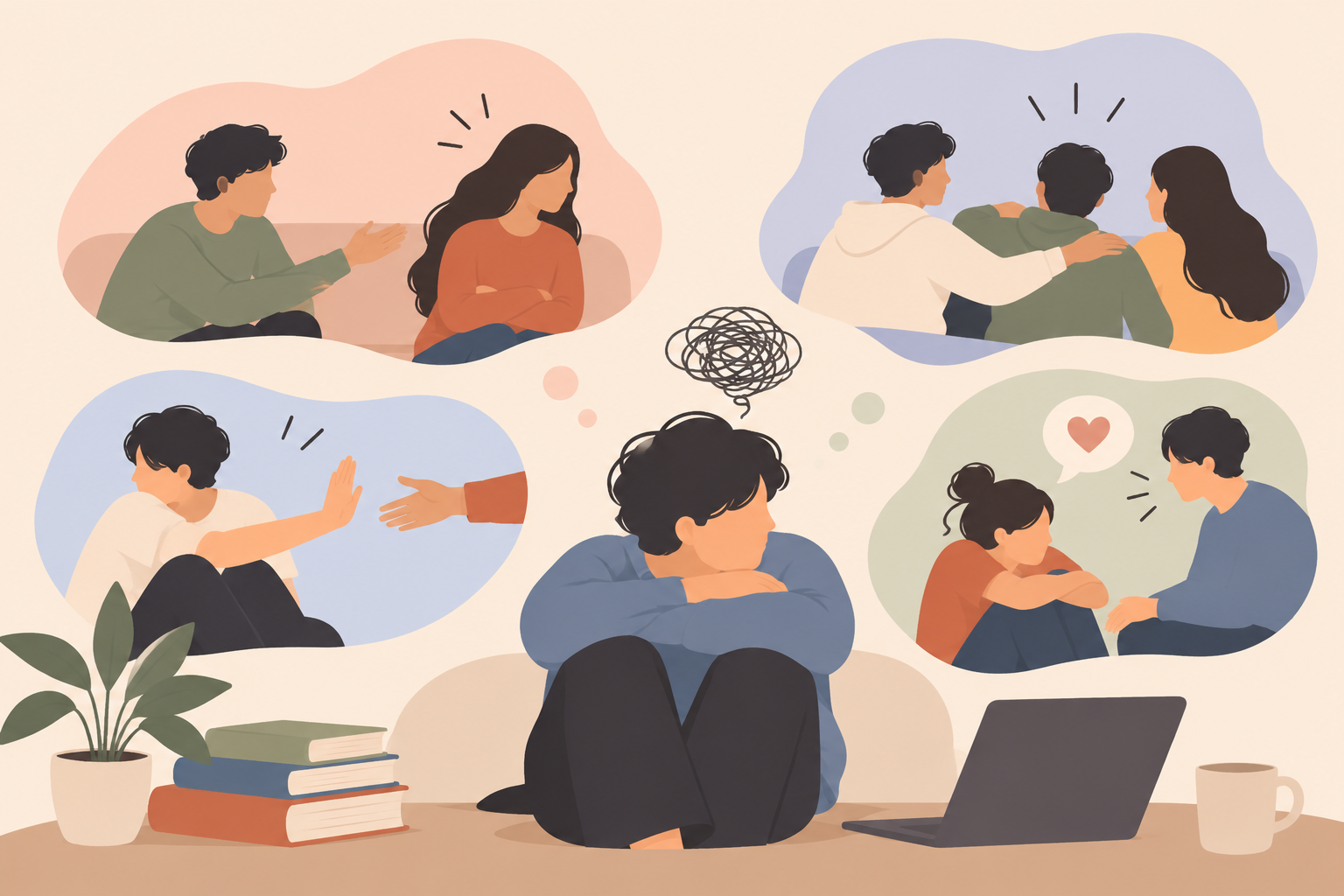
It’s strange that we sometimes push our loved ones away just when we need them the most. Isn't it like throwing away a flashlight while walking through a dark tunnel? Or leaving your umbrella behind when it's pouring outside? Sounds weird, right? But it's something many of us do without even realising it. So, why do we do this? Why do we isolate ourselves during difficult times? There could be various reasons, such as,Not wanting to be a burden on the people we love. Sometimes, we push people away because we don’t want to trouble them or become a burden on them.Scared of being misunderstood. We worry that people might judge us or minimise our problems.Not being able to explain ourselves. When we are already in a vulnerable spot, expressing and explaining ourselves becomes even more difficult.Wanting to deal with everything alone. We might think that dealing with things alone makes things easier.Or simply not wanting people to see us struggling. We might be afraid to look weak, especially in front of those who know us well. But does this really work? We distance ourselves, thinking this would help us. But in reality, it doesn’t. We continue to suffer even more. Alone. Why? Because the consequences of this create even more trouble in our lives. Distancing ourselves makes us feel lonelier because we keep everything to ourselves and deal with it internally. Also, those close to us might not understand why we’ve become distant, which can lead to further misunderstandings and disconnection in our relationships. However, distance is not bad. Sometimes, taking space can help. The problem begins when we mistake solitude for isolation and space for cutting people off from our lives. Why is it difficult to let people in? Because letting people see our vulnerable side feels harder than dealing with the problem itself. We might think opening up would change how people see us, and that opening up would invite sympathy, which we do not want. But isn’t it weird that we want people to understand us but we never actually give them the chance to? And that we always think, “What if they judge me?” “What if they change?” and not “How would opening up help?” “How do I make them understand?” It is okay to think that way. But try to consider the other aspect as well. Try to break the pattern and give others a chance. How to break this pattern? I know breaking this pattern is not as easy as it sounds. It takes a lot of courage and a long discussion with yourself, convincing yourself that “opening up will be fine”, but this is the only way to make things easier. You can also try to think positively; it’s normal to expect the worst when things are already going badly. However, you don’t have to force yourself. If you’re not comfortable opening up with someone you know or someone who knows you, you can share your problem on community forums anonymously; people there might help you. But a better way is to talk to a counsellor, because a counsellor will listen to you without judging you and will guide you to break the wall you’ve made between you and the people you love and come out of the trouble. How the Biyani Group of Colleges Makes a Difference? Biyani College understands that mental & emotional well-being is important as well. Faculty at Biyani are friendly and allow students to share what’s on their minds, and also, the College provides a safe space for students to open up and let everything that is troubling them out. As a saying goes: “When life gets hard, a good relationship should be a safe place to hide and feel protected. However, instead of running to that safe place, our first reaction is often to shut out the people who love us.” Hence, pushing people away is not the solution to our problems. You do not have to go through everything alone, and remember that sharing your problem with the right person helps because, A problem shared is a problem halved.